The Square Foot That Earns Its Keep: Rethinking the Kitchen Sink

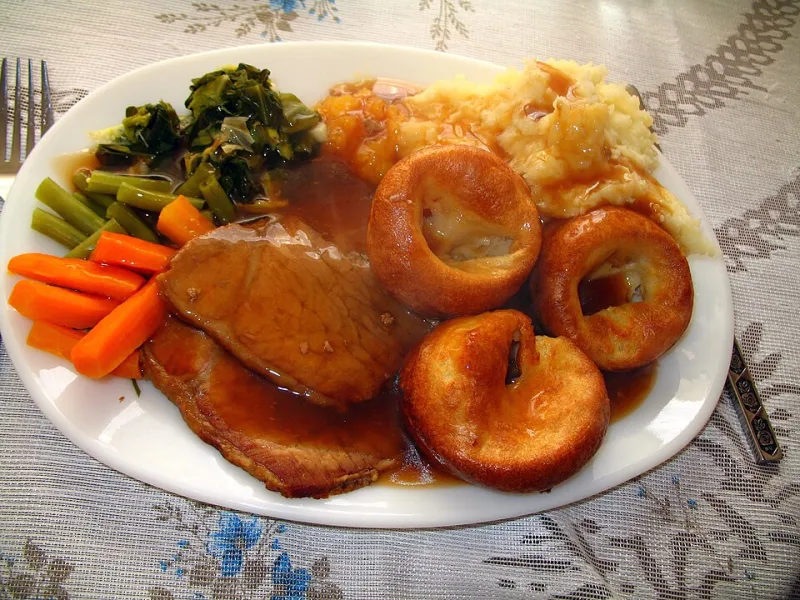
Photo: Tony Atkin, CC BY-SA 2.0, via Wikimedia Commons
Most kitchen plans begin with the dramatic bits. The island. The range cooker. The deep green cabinetry that looked so good on a moodboard. The sink tends to arrive later, as a line on the quote, chosen in a hurry because the worktop template is due. That is a bit like buying a car and only then wondering whether the seats are comfortable.
The sink is where you fill the kettle, rinse a muddy leek, soak a roasting tin, wash your hands after handling chicken and dump the tea bags. In a busy family kitchen it is in use far more often than the oven. So it deserves more than a passing glance. Think of it less as a basin and more as a small, hard-working zone: bowl, drainer, tap, waste, plumbing and the bit of worktop either side.
Start with the bowl, not the tap
Bowl configuration is the decision you cannot easily change later. A large single bowl is brilliant if you cook properly and own at least one tray that seems to have been designed for a commercial kitchen. It gives you room to soak a Sunday roasting tin without performing a small miracle of angles. The trade-off is that you lose the second bowl for rinsing or for separating clean and dirty items.
A one-and-a-half bowl is the classic British compromise. The main bowl does the heavy lifting; the half bowl handles a glass of water, a few peas or a quick rinse. It works well in medium kitchens, but check that the main bowl is still big enough for your largest pan. A double bowl can be useful in a shared kitchen, though in smaller rooms two modest bowls can feel like two cramped bowls rather than one generous one.
Depth matters as much as width. Deep bowls hide more washing up, but they can be uncomfortable if you are tall or if the sink is set into a low worktop. Shallow bowls are easier on the back but splash more. Also look at the internal corners: tight radius corners look sharp and modern, but they are fiddlier to clean than gently rounded ones. If you are choosing a ceramic or composite sink, check how it handles hot pans and red wine. Some materials are more forgiving than others.
The draining board is part of the decision
In the UK we have a long relationship with the draining board. Even in homes with a dishwasher, there is usually something that needs to drip: a colander, a hand-washed knife, a mug that could not wait. An integrated drainer keeps everything in one place and is easy to wipe down. A separate drainer gives you flexibility, but it takes up worktop and can become a permanent home for clutter.
Think about handedness. If you are right-handed and the drainer sits to the left, the whole washing-up process can feel slightly awkward. If the sink is under a window, check that a tall tap or a drying rack will not block the view or clash with the window opening. And if worktop space is tight, consider a sink with a ribbed drainer that slopes into the bowl rather than a full-width board. It is a small detail that keeps the countertop feeling less crowded.
Taps: the bit you actually touch
A tap is used dozens of times a day, so buy the best one your budget allows and make sure it suits your water. A simple monobloc mixer is reliable and easy to live with. A pull-out spray tap is excellent for filling tall pans and rinsing the bowl, but it needs decent water pressure to perform properly. A filter tap is useful if you dislike the taste of your local water or want to cut down on bottled water.
Boiling water taps are increasingly popular, and for good reason: they make tea, coffee and pasta water quickly and free up the kettle. But they are not a drop-in upgrade. Most need a tank under the sink, a power supply and enough clearance in the cabinet. Some models need ventilation, and the tap itself may need a specific hole size. If you are planning a boiling water tap, tell your kitchen designer early. It affects the sink choice, the waste route and what can go in the cupboard below. Check compatibility with your sink and worktop, and confirm the installation requirements with a qualified installer rather than assuming it will all fit.
Also think about tap height and reach. A tall tap looks elegant, but it can splash if the bowl is shallow. A tap with a high spout may not work under a low window. And if you have hard water, choose a finish and cartridge that are easy to maintain. Lime scale is patient. It will find you.
What is happening underneath
The glamorous part of the sink is above the worktop. The important part is below it. The waste trap, plumbing, dishwasher connection, boiling water tank and any filter system all compete for the same cupboard. A deep bowl can leave less room for a trap; a compact trap can free up space for a bin or cleaning products. If you want a waste disposal unit, check whether your local authority permits it and whether your plumbing can cope. In many British homes, a simple, well-planned waste system is the safer bet.
Sink placement affects everything around it. The classic work triangle links the fridge, hob and sink, but the real test is the route you take with a heavy pan or a dripping colander. The sink should sit between the main prep area and the hob where possible, with enough landing space on both sides. Putting it immediately next to the dishwasher makes loading easier. Putting it too far from the bin makes every peel and tea bag a small journey. And putting it in a corner can look neat, but check that you can stand comfortably at the bowl without leaning over adjacent cabinets.
A quick sink checklist before you commit
Measure your largest roasting tin and your tallest pan. Decide whether you want an integrated drainer or a separate one. Check tap clearance against the window and any wall cabinets. Confirm the waste route and what will share the cupboard below. If you are having a boiling water tap, plan the tank, power and ventilation now. And stand at the proposed spot in the showroom, or at home with a tape measure, and imagine a normal Tuesday evening: pasta on, dishwasher half-loaded, someone asking where the colander is.
The sink may never be the star of the kitchen brochure, but it is the square foot that earns its keep. Get it right and the whole room works more smoothly. Get it wrong and you will be reminded every time you try to wash a baking tray.