Order Early, Fit Once: Diarising Your Kitchen Appliance Buys Around the Build

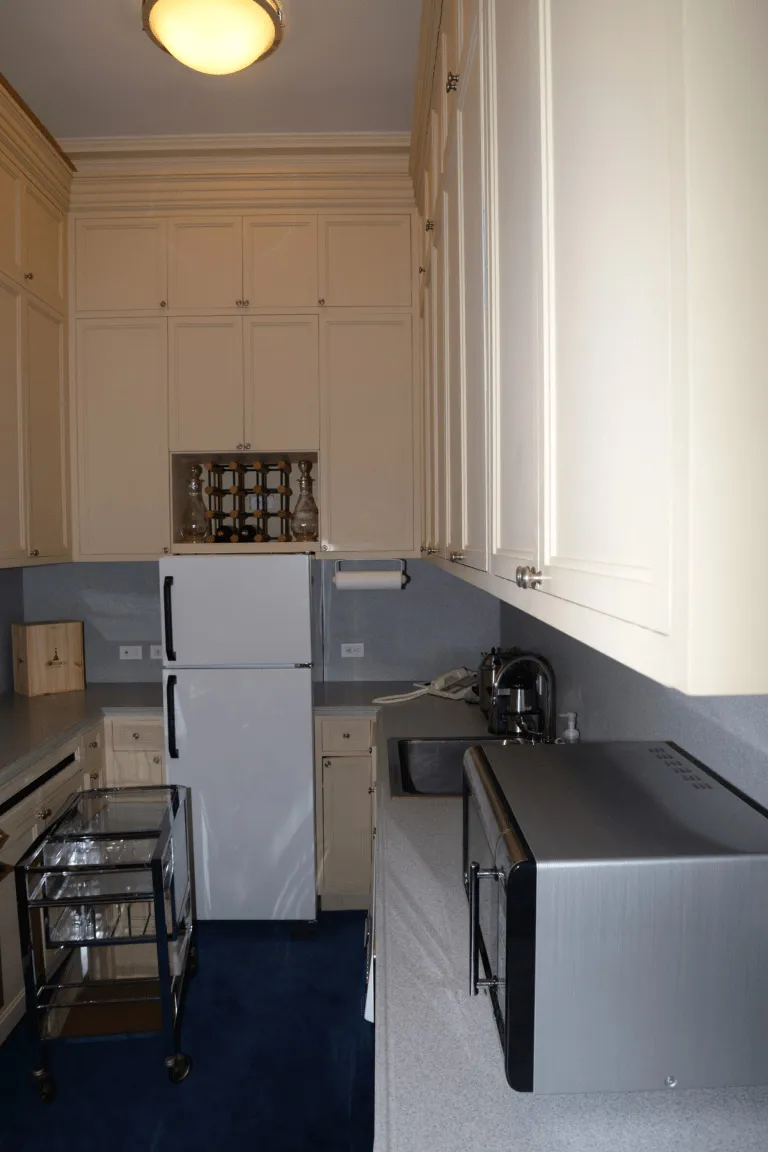
Photo: James Cordova, CC0, via Wikimedia Commons
Every winter we hear the same story. The cabinets are in, the worktop is on, the lighting is doing exactly what it promised on the plan — and the room can't be used, because the integrated fridge was ordered three weeks ago and won't land until February.
Appliances are the longest-lead item in most kitchen projects, and almost always the last thing anyone diarises. Cabinetry is made to the appliance dimensions, after all. Get the order of operations wrong and the schedule doesn't just slip; it stalls.
Here's a working timeline you can take to your fitter, adapted to whatever date your project starts.
Why appliances set the pace, not the cabinets
Housing widths, plinth heights, worktop cut-outs, plug positions, water feeds, ducting routes — all of it is decided by the appliances you choose. A 600mm integrated dishwasher is not the same as a 600mm freestanding one. A venting hob changes the whole extraction plan. Choose the appliances first and the cabinetry follows comfortably; do it the other way round and you'll be choosing from whatever happens to fit.
Stage 1 — Design freeze (roughly 10–12 weeks before fitting)
This is the point where appliance models get locked, not just a wishlist. Ask your designer to note, for each appliance:
- Exact make, model and dimensions, including door opening clearance
- Whether it's integrated, built-in or freestanding, and the housing spec required
- Power requirements: 13 amp plug, or hard-wired for a larger oven or induction hob
- Water and waste connections for plumbed fridge-freezers, boiling taps and wine coolers
- Ventilation needs, which we'll come back to
- The ducting or recirculation route for anything extracting air
Until these are agreed, treat the cabinetry plan as a draft.
Stage 2 — Order the slow movers (8–10 weeks before fitting)
Some appliances are effectively off the shelf. Others are built to order: range cookers in a specific colour, large American-style fridge-freezers, certain integrated larder models, anything with a made-to-order finish. Those can run to eight or twelve weeks, sometimes longer if you're set on a particular shade.
Order these first, put down the deposit, and get the expected delivery window in writing. A good independent retailer will hold stock for you if you're not ready — ask the question explicitly rather than assuming.
Stage 3 — Black Friday, 27 November 2026: buy to a plan, not to a banner
With the big promotional weekend landing at the end of this month, it's tempting to buy everything at once. Two rules keep that sensible.
First, decide your shortlist before the sales start — ideally three acceptable models per appliance, with a maximum price for each. Then you're shopping a list, not a discount. Second, check that the deal actually is one: compare against the price you saw a month ago, and look at the retailer's price-promise terms, because many will refund the difference if the price drops again within a set window.
Storage is the other consideration. A discounted oven is only a bargain if you have somewhere dry and safe to keep it, and if the returns window hasn't expired before your fitter is ready for it. If your kitchen isn't being installed until spring, buying in November mainly buys you a storage problem.
Stage 4 — Boxing Day and the January clear-out
Boxing Day online sales and the January promotions are the second bite of the cherry, and often a better fit for a spring installation. January is traditionally when retailers clear older-season models ahead of new launches, so last year's spec can be a genuine saving on something perfectly good. It's also when delivery slots are quieter.
What to watch: end-of-line stock may not be re-orderable if a unit arrives damaged, and discontinued models can complicate a warranty claim or a matching replacement later. For a single oven, that's a low risk. For a full matching suite, think twice.
Stage 5 — Confirm delivery slots (3 weeks before fitting)
Timing matters here. Delivered too early, appliances sit around getting knocked. Delivered on installation day, one late van can hold up the whole crew.
The practical answer is a delivery window three to seven days before handover, when the room is dry and secure and the fitter can check everything is present and correct. Confirm access before you book: door widths, hallway turns, stairwells and any parking restrictions. A fridge-freezer that won't fit through the front door is a genuinely common problem.
Don't forget ventilation
Extraction is the specification people leave until last, and it's the one most likely to cause a problem after the fact. Decide early whether you're ducting to an outside wall or using a recirculating filter model, and check the duct diameter the manufacturer specifies — 150mm is common and won't squeeze into a 100mm hole. Ducting hidden in a ceiling void needs designing in, not retrofitting.
If you're installing a gas hob, the work needs a Gas Safe registered engineer, and ventilation must meet the relevant building regulations. Kitchens are also covered by rules on mechanical ventilation, so run the plan past your fitter or building control before the first-fix stage rather than after plastering.
Installation day and the fortnight after
- Check every appliance on arrival for damage, and photograph the packaging before it's removed.
- Keep the manuals, serial numbers and proof of purchase in one folder — a photo on your phone is fine.
- Register warranties within the manufacturer's deadline; many require it within 28 days and it's easy to forget in the chaos.
- Get the gas certificate and any commissioning paperwork from your installer.
- Ask about recycling: retailers and councils both handle old appliance disposal, and fitters will often take them away if you ask in advance.
A one-page schedule to keep everyone honest
| Milestone | When | Owner |
|---|---|---|
| Appliance models locked | 10–12 weeks out | You and designer |
| Long-lead items ordered | 8–10 weeks out | You |
| Standard appliances ordered | 4–6 weeks out | You |
| Delivery slots confirmed | 3 weeks out | You and fitter |
| Site access measured | 3 weeks out | Fitter |
| Delivery taken | 3–7 days before handover | You |
| Installation and commissioning | Handover week | Fitter |
| Warranty registration | Within 28 days | You |
The takeaway
A kitchen is finished when everything works, not when the last handle goes on. Lock the models early, buy the slow movers first, treat sales as a way to hit a price you'd already decided on, and book delivery for a date the fitter has actually agreed to. Then the only thing left to plan is what you're cooking first.