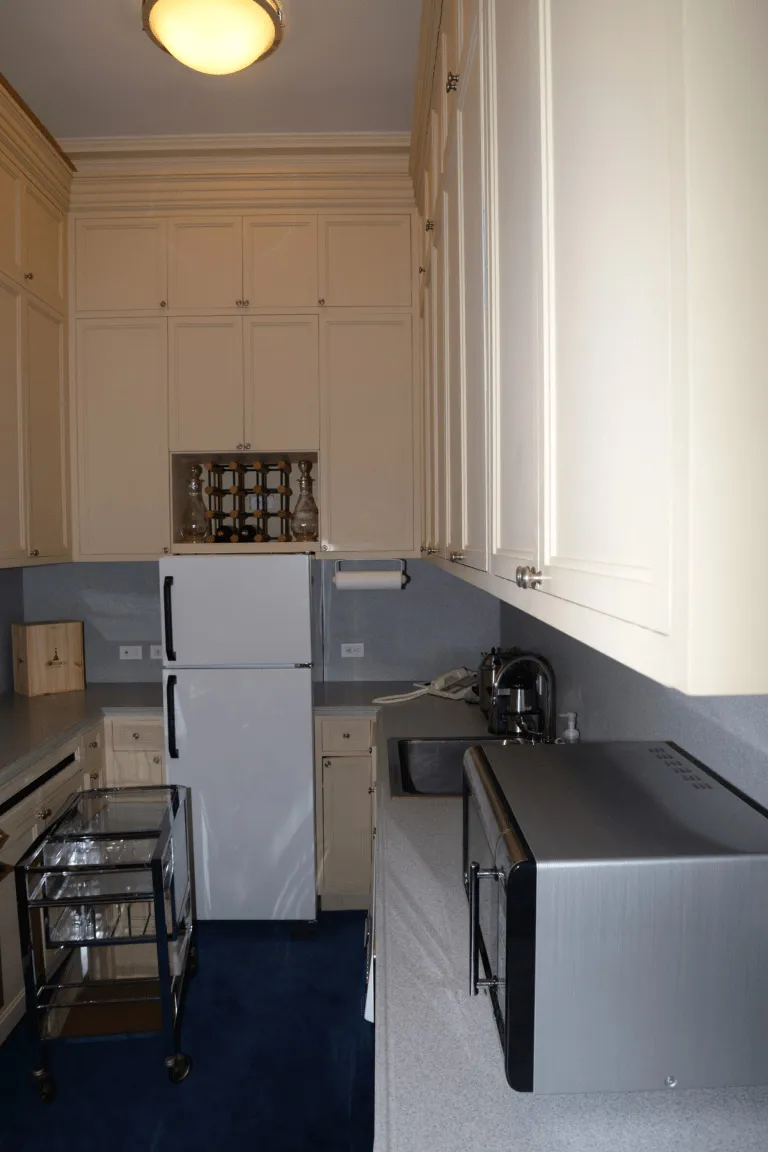
The Bespoke Edit: Seven Small Moves That Lift a Standard Kitchen
A developer-standard kitchen is not a life sentence. Most of the rooms we walk into at Crown Kitchens have good bones: sensible layout, decent light, serviceable cabinets. What they lack is the layer of thought that makes a space feel designed rather than installed. The good news is that you can add much of that character without ripping everything out. Think of these seven moves as the bespoke edit: small, deliberate decisions that make a standard room feel as though it was made for you.
1. Put handles where they earn their keep
Handles are the jewellery of a kitchen, but they are also a working detail. A row of cupboards with handles centred at the same height can look tidy, yet handles placed slightly lower on base units or aligned to the drawer stack often feel more considered. Before your fitter starts drilling, ask them to mark a few options in situ. Stand back. Open the doors. Check whether a handle catches your hip when you stand at the sink.
For sourcing, look beyond the usual big-box ranges. UK ironmongery specialists and small British workshops sell brass, bronze and powder-coated handles in unusual lengths and finishes. If you are keeping existing cabinets, replacing handles is one of the cheapest ways to change the room’s personality. Just check the hole centres first, or be prepared to fill and repaint.
2. Light the plinth, not just the ceiling
Plinth lighting is the detail that makes a standard kitchen look as if it is floating. A warm-white LED strip tucked under the base units, set back from the floor, creates a soft wash that is especially welcome in winter. It also makes late-night cups of tea feel less clinical.
Ask your fitter where the driver will live and how you will access it if it fails. A good electrician will plan the connection properly, and any new circuit should comply with UK electrical rules. Warm white, dimmable strip is usually more flattering than cool white. If you are not ready for a full lighting scheme, a plug-in strip can be a sensible first step, but a fitted version will always look neater.
3. Make the pantry fit the food you actually buy
A cupboard with shelves is storage. A pantry that fits your cereal boxes, tins, stand mixer and bulk-buy pasta is a lifestyle upgrade. Made-to-fit pantry storage does not have to mean a bespoke cabinet from scratch. Local joiners can build simple adjustable shelving and deep drawers inside an existing cupboard, or you can use modular inserts from UK storage specialists.
Measure the things that annoy you most. The tall oil bottle. The awkward roasting tin. The snack basket that never quite fits. Ask for adjustable shelves rather than fixed ones, and consider a shallow drawer for spices and cling film. If you are commissioning joinery, check the finish inside the cupboard too; a beautifully fitted pantry should feel good when you open the door, not just when it is closed.
4. Choose a splashback that starts the conversation
A statement splashback is a small surface with a lot of impact. Glass, quartz, fluted timber or a slab of stone can turn a run of standard cabinets into something more intentional. Behind a hob, check heat resistance and easy cleaning. Behind a sink, think about water marks and reflections.
UK glass splashback companies can template around sockets and extractor hoods, while local stone fabricators often have offcuts that work beautifully in a smaller kitchen. Ask your fitter how the splashback will be fixed, whether sockets need to be moved, and what happens at the edges. A well-detailed splashback looks built in. A poorly measured one looks like an afterthought.
5. Refine the worktop edge and upstand
The edge of a worktop is one of those details you only notice when it is wrong. A square edge feels modern and crisp; a softened edge is more forgiving on the hip. The depth of the upstand matters too. A taller upstand can make a standard worktop look more architectural, while a slim one keeps things light.
Ask your fabricator to show you samples of edge profiles and upstand heights. Check how joins will be positioned, especially around sinks and hobs. If you are using quartz or stone, confirm the overhang for seating and the clearance for drawers. These are small numbers, but they are the difference between a worktop that looks fitted and one that looks finished.
6. Upgrade the tap and sink zone
The sink area does a lot of work, and it is often the first place a standard kitchen shows its limits. A better tap can change the feel of the whole run. Consider a pull-out spray, a boiling-water tap or a simple brushed-brass mixer, depending on how you cook and clean. Boiling-water taps need an electrical supply and a suitable water pressure, so raise it with your fitter early.
Sinks are worth the same scrutiny. An undermount sink gives a cleaner worktop line, but it needs a fabricator who can cut and polish the opening properly. An inset sink is easier to replace later. Check the hole diameter for the tap, the waste kit and whether your chosen tap will fit under the window. Small measurements, big consequences.
7. Add one open or glazed moment
A standard kitchen is often a wall of closed doors. One open shelf, a glazed cabinet or a slim open unit can break up that run and give the room a point of interest. Use it for the things you actually like looking at: a few cookbooks, a favourite bowl, a plant that survives. Too much open storage can feel cluttered, so keep it to one moment.
Ask your fitter how the shelf will be fixed, especially if it is holding heavy cookbooks or ceramics. If you are adding lighting, plan the cable route before the wall is finished. And if you are not sure, start with a single shelf rather than a whole wall of open storage.
Before work begins: questions for your fitter
A good fitter will welcome these questions, not dodge them. Ask how handles will be templated and whether they can mark positions first. Ask where lighting drivers and transformers will live, and who is responsible for electrical compliance. Ask for lead times on made-to-fit joinery and splashbacks. Ask how finished surfaces will be protected during the work. And ask what happens if a measurement changes on site.
Bespoke is not always a price bracket. Often it is a matter of attention: a handle in the right place, a light where you need it, a pantry that fits your life. At Crown Kitchens, we think the best kitchens are the ones that feel quietly custom, even when the cabinets came from a standard range.